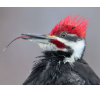
Few people are aware of just how important the tongue is to a woodpecker, but researchers have found that woodpeckers rely on their extraordinary tongue to thread into insect tunnels their beak can't reach. A typical woodpecker tongue is long and flexible enough to reach into crevices and tunnels to reach prey hidden deep inside. Clearly, drilling into wood with its beak is just the first step for a woodpecker to procuring food in bark, branches, trunks, and even beneath the ground. Two pairs of muscles guide the tongue, allowing it to move in and out, and in multiple directions when probing.
Birding News 3
Saturday November 1st is the first day to identify and count birds during the 39th season of Project FeederWatch. Many birders have already signed up, but if you haven't registered yet you can join this season’s activities today. You can count from any location you choose, for short periods or as long as you prefer, it’s all up to you, but your participation is always greatly appreciated. This week, Project FeederWatch also announced that the species Trend Graphs and lists of the Top 25 Species reported by state, province, and region have been updated.
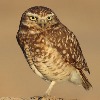
If you are among the many people who are interested in owls, the “Wonderful World of Owls” poster is available as a Free printout. The poster features attractive artwork that illustrates some favorite owls, including a Barn Owl, Great Gray Owl, Burrowing Owl, Snowy Owl, and more, painted by artist Liz Wahid. There are also interesting tidbits of information included about owl’s specially adapted eyes that provide keen night vision, their remarkable binocular hearing, their specialized feet, their specially adapted feathers, and descriptions of each of the illustrated species – all provided online and as a printable PDF that you can download at All About Birds.
The National Audubon Society has announced the winners of the 2025 Audubon Photography Awards. Now in its 16th year, the awards have expanded to include participants in Chile and Colombia in addition to bird photographers in the United States and Canada. New prizes that focus on migratory species, habitats, and conservation were added too, all while continuing to feature stunning photographs and videos that highlight the beauty and joy of birds and fascinating avian behaviors. This year’s Audubon Photography Awards helps tell the story of hemispheric bird conservation and highlights how birds connect people across geography and ecosystems.
Visit the bird banding station at historic Fort Morgan near Mobile, Alabama to witness the thrills and process involved in banding migrating birds as they are about to take flight across the Gulf of Mexico to their species’ winter range. Bird banding takes place from 8am to 3pm daily from October 3 to 11, and the free access permits anyone to get an up-close experience to learn about the banding process, along with the chance to view a variety of small birds, mostly songbirds, as they are banded by federally-licensed experts before being safely released.
Hear firsthand about the exciting search for birds thought to be extinct, and others that have not been documented for decades during a free seminar scheduled for September 18th at 12:00 noon EDT. In this Birds of the World seminar, John Mittermeier and Alex Berryman review the past 4 years of the Lost Birds project and describe the number of species that have been rediscovered, which bird discoveries have been the most surprising, and explore the prospects for finding other “lost species.”
Learn from a pro, on your schedule, online: Tamron Americas just announced a Free online master class, “The Art of Photographing Birds,” presented by professional photographer David Akoubian. This multi-part course is designed for birders interested in elevating your bird photo skills and creativity. Participants can access and complete each class at their own pace and explore David’s artistic journey through storytelling, video and still photos, and philosophies that connect art with birds and their natural surroundings.