
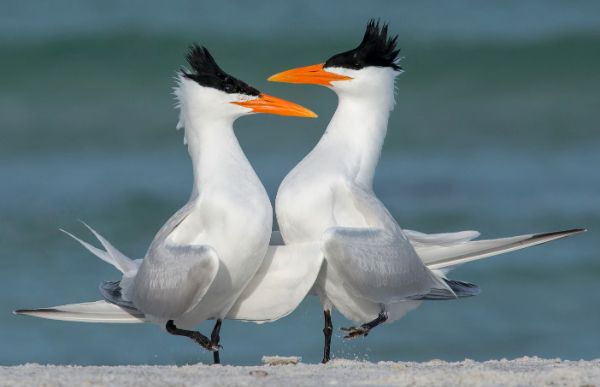
While some Forida beach communities are still rebuilding from the big storms of the 2024 hurricane season, people and birds were spared major impacts during the 2025 season. Beach-nesting birds actually benefited from a combination of previous storm effects and experienced a banner nesting season in 2025. Multiple hurricanes and large storms during 2024 rearranged some coastal habitat, and the storm surge and winds removed vegetation that left large expanses of bare sand that proved to be perfect for nesting areas for many sandpipers, plovers, terns, skimmers, and other birds.
The lack of hurricanes last year meant birds nesting in the newly exposed areas could successfully nest and fledge young without contending with excessive waves, wind, or water, which showed how resilient they can be. A new report by Florida Audubon provides a description of beaches and islands in areas of the state that provided better nesting success for a variety of beach-nesting species, including American Oystercatchers, Wilson's Plovers, Snowy Plovers, Least Terns, Royal Terns, Sandwich Terns, Caspian Terns, Black Skimmers, and even Wood Storks and Brown Pelicans.
Areas described in the report include the Florida Panhandle, the Northeast Coast, the Tampa area, Southwest Florida, and Florida Coastal Islands as well as Rooftop Program locations. To get a wealth of information from the full report, you can refer to A Year of Surprises and Firsts for Beach-Nesting Bird Species | Audubon