Wednesday, December 17, 2025

Southern Hospitality at Sunbelt Bird Feeders

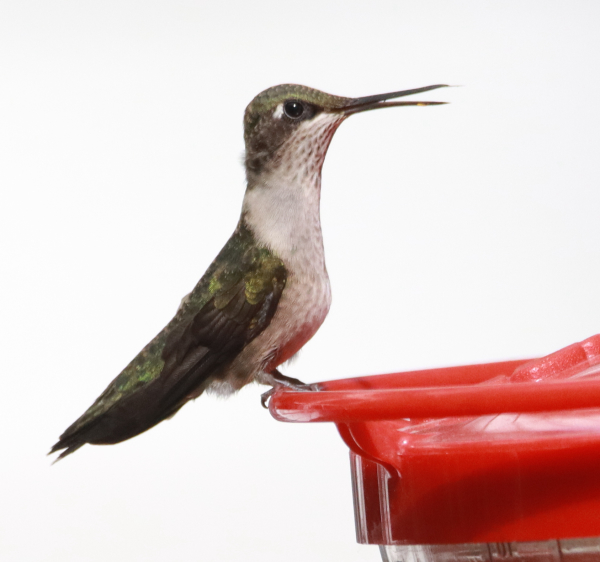
Hummingbirds are resident in some areas of the Sunbelt, such as south Texas and southern California, and some individuals of migratory hummingbird species don’t migrate south of the Sunbelt, adding an added dimension to some winter feeding stations (photos by Paul Konrad).
Sunbelt birders enjoy a variety of resident birds like this Common Ground Dove, and wintering species provide some added spice to the mix of birds you can attract and benefit now.

The southern tier of states from southern California to Florida offers a variety of different winter feeding station options that include providing hummingbird nectar and fruit in addition to seeds and suet – plus fresh water to satisfy the interests of resident, migrating, and wintering species. The wide variety of Sunbelt birds ranges from Anna’s Hummingbirds to Cactus Wrens and Green Jays to Painted Buntings, joined by wintering birds to make Sunbelt feeders all the more exciting, whether you are a Sunbelt resident or a “snowbird” who spends the winter in a warmer clime.

Enjoy the action during this exciting season when you never know what birds might grace your landscaping, water feature, and feeders. Overall, winter feeding in the Sunbelt isn’t all that different from the rest of the year, even though you may get a few nights when there is a paper-thin layer of ice on the water in your birdbath. People living in the tier of states just north of the Sunbelt can also benefit from some of these feeding options described below, and some foods are pretty universal for birds through the seasons and throughout North America.

The warmer region where water rarely or never freezes and flowering plants persist and even thrive during winter months provides birders with the potential to attract the greatest variety of birds to your feeding station. Feeding stations get more exciting the farther south you live, and they include providing hummingbird nectar in addition to seeds, suet, and fresh water to benefit resident, migrating, and wintering birds.

Keep your hummingbird feeder stocked with sugar-water nectar as much as possible, even if you aren’t attracting hummingbirds initially. As evidence of how important providing a hummingbird feeder is during winter in the Sunbelt, right now in Louisiana birders are hosting more than 140 hummingbirds that include 7 different species of wintering hummingbirds! Essentially, this proves that almost any hummingbird feeder in the Sunbelt region can attract and benefit wintering hummingbirds – birders in southern Arizona and across the Sunbelt can attract and benefit widely scattered wintering hummingbirds too. (And don’t worry, providing a winter nectar source won’t prevent hummingbirds or any other species from migrating.)

Also, keep in mind that in areas of southern California, Anna’s Hummingbirds and Allen’s Hummingbirds are already beginning to nest, so your nectar feeder can provide an important supplement to natural foods gleaned by these species while they are incubating and rearing nestlings, while eventually benefitting new fledglings. The standard water to sugar ratio is 4-to-1, using 1 part white cane sugar to 4 parts water. We use a shot glass to measure the nectar ingredients, but any measuring cup or glass will work.

Fresh Water attracts a greater diversity of birds than any other element you can offer in your yard. Winter water is key to attracting Yellow-rumped Warblers and other wintering birds that don’t eat seeds or nectar. the benefits of providing water for birds to drink and bathe during winter months can’t be over-emphasized, and if your water freezes regularly, a heated birdbath is a good option. If water is less apt to freeze, a mini-fountain, dripper, or water wiggler might move water enough to keep it from freezing, and the sound of the moving water helps new birds find your birdbath or another water feature.

The best food you can offer seed-eating birds anywhere is black oil sunflower seeds, which are available with or without shells. Shelled seeds eliminate the mess of discarded seed shells that accumulate beneath your feeders, and while it may seem that shelled seeds cost a bit more, keep in mind that you aren’t paying for the weight of the shells when you opt to buy shelled sunflower seeds. You also get the benefit of a shell-free feeding station, without the need to clean the area regularly.

Some small finches, including species of goldfinches and siskins, may prefer thistle seeds, sometimes marketed as nyjer seeds, although sunflower seed chips appear to be just as attractive to these birds and all other seed-eating species.

Among the interesting groups of birds that are more common in southern states are quail – including California Quail, Gambel’s Quail, Scaled Quail, and Northern Bobwhites. Similarly, doves are another ground-oriented group of birds that include White-winged Doves, Common Ground Doves, Mourning Doves, and more. These bird groups are less demanding than other feeder visitors, as it seems that any seeds will do, but sunflower seed chips provide the best quality of seeds. A variety of native sparrows, towhees, juncos, and others will also be attracted to ground-level seed offerings. Ground-based water is also important for these birds, but be aware of potential ground-based predators, especially cats.

Suet should be a standard at any feeding station, with no-melt suet a preferred option for many birders, especially during hotter summer months. Suet attracts a wide range of birds, and is a favorite among the variety of woodpeckers and nuthatches. Hot pepper suet is a favorite suet that many birders prefer because it repels squirrels and other small mammals that can dominate bird feeders – birds like it, squirrels absolutely do not.

Most orioles migrate south of the American border by late summer or early fall, with the exception of some Baltimore Orioles that overwinter across Florida, but Altamira Orioles are also full-time residents of southern Texas. Wherever orioles are present, you will want to provide grape jelly and sliced oranges to attract these colorful birds, and some other birds may feed on the oriole preferences too.

The key to a successful Sunbelt feeding station is to provide the foods that will attract the birds you most want to share your yard with and benefit in the process. Make your feeders and water feature a reliable resource for birds this winter, and year-round. Enjoy the season – the holidays are approaching – and enjoy the birds around you wherever you spend this winter season. Happy Holidays!

Share your backyard birding experiences and photographs with The Birding Wire at editorstbw2@gmail.com