
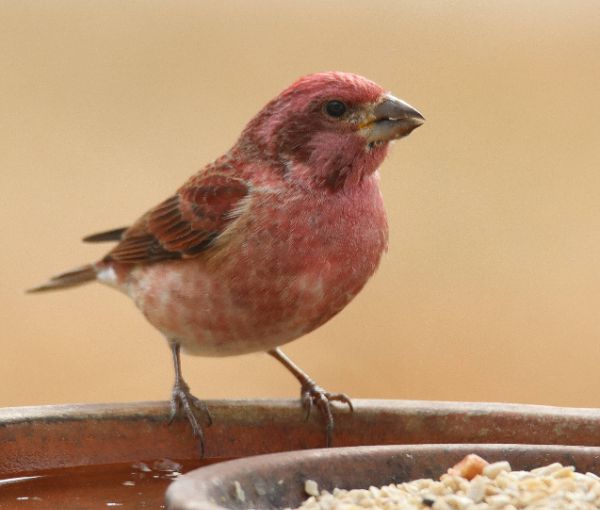
Some of the most exciting birds to visit feeders will begin to show up soon – Purple Finches, Pine Grosbeaks, Evening Grosbeaks, White-winged Crossbills, Red Crossbills, Pine Siskins, and Redpolls. It is always interesting to learn what the professionals who study fall and winter movements of these northern species share in their annual Finch Forecast, and wouldn't it be exciting to have some of the grosbeaks or crossbills stopover in your yard and visit your feeding station! Three other species whose movements are often linked to northern finches are also discussed: Blue Jays, Red-breasted Nuthatches, and Bohemian Waxwings.
Last year there was a solid flight of northern finches into the East by Pine Grosbeaks and Purple Finches with a small flight of Pine Siskins, and this year could be similar. This year, the Finch Research Network's Tyler Hoar, who authored the Finch Forecast indicates this fall and winter will provide mixed movements of northern finches again this year because seed and berry crops are good in the east and far western parts of the boreal forest, but they are mostly poor in central area of the boreal region. As a result, poor seed crops across the central boreal forest will likely cause northern finches to move into eastern Canada, the Great Lakes region, and Northeast states.
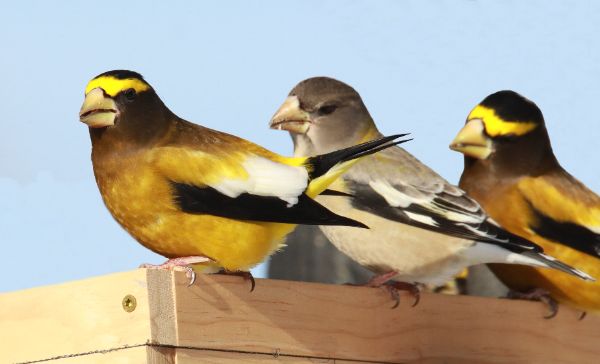
The new Finch Forecast indicates there are 2 areas of good seed crops for northern finches: 1) From central Ontario eastward into the Maritime Provinces and the Northeast United States, and 2) in the west from British Columbia to Alaska. Spruce budworm outbreaks from Ontario eastward were widespread again last summer, which provided ample food sources for nesting and post-nesting Evening Grosbeaks, Pine Siskins, and Purple Finches. There has been a widespread pine seed crop failure in the interior areas of the Mountain West, and an early indication of what may play out was displayed when Red Crossbills started moving west to east across the continent during July and August.
While these predictions are interesting and sometimes encouraging, the chances of some of the birds spending time at your feeders during the coming months are likely to be similar to what you experienced last year; but wouldn't it be exciting to have some of the winter grosbeaks, crossbills, or smaller finches spend time in your yard! For the most part, all these birds short of Bohemian Waxwings, will react to what we suggest annually in The Birding Wire: Offer black oil sunflower seeds (preferably without shells to avoid the mess and clean-up), nyjer thistle seeds, and for some bird species shelled peanut halves and suet. Fresh water also makes your feeding station a one-stop shop, although you may need to use a heated birdbath to keep the water ice-free in northern regions. As per the Finch Forecast, their species by species food preferences for winter finches and associated birds is provided below:
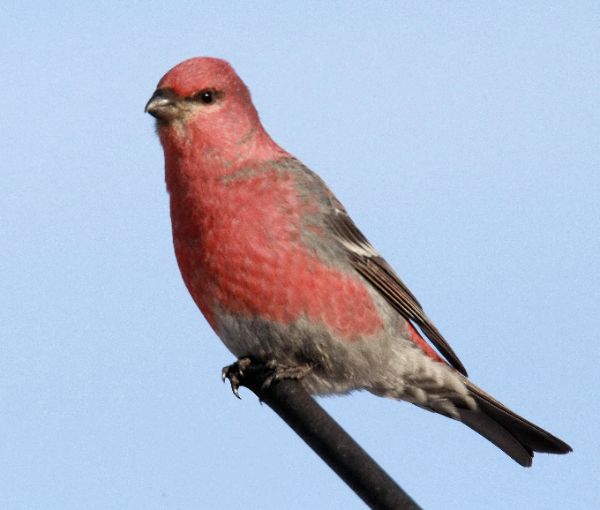
Pine Grosbeaks prefer black oil sunflower seeds provided at a large platform feeder or hopper feeder, and yards with mountain ash berries or small ornamental crabapples are a landscaping attraction.
At platform feeders, Evening Grosbeaks prefer black oil sunflower seeds.
Purple Finches prefer black oil sunflower seeds, and these smaller birds will access any type of feeder with sunseeds.
Redpolls prefer nyjer thistle seeds and black oil sunflower seeds.
Pine Siskins prefer nyjer thistle seeds and black oil sunflower seeds in tube feeders.
Blue Jays tend to feed on and cache sunflower seeds and peanuts from feeders.
Red-breasted Nuthatches prefers black oil sunflower seeds, peanuts, and especially suet.
Again, we suggest providing shelled black-oil sunflower seeds and shelled peanuts to make it easier for smaller finches to access these foods, and shelled seeds eliminate the mess of discarded shells and the necessary clean-up.
To read the entire Finch Forecast for this fall and winter, refer to the Winter Finch Forecast 2026-2027 - FINCH RESEARCH NETWORK. You can also check for up-to-date reports of finch movements this fall and winter on the Finch Research Network, eBird, and the Finches, Irruptions, and Mast Crops Facebook group for more information.
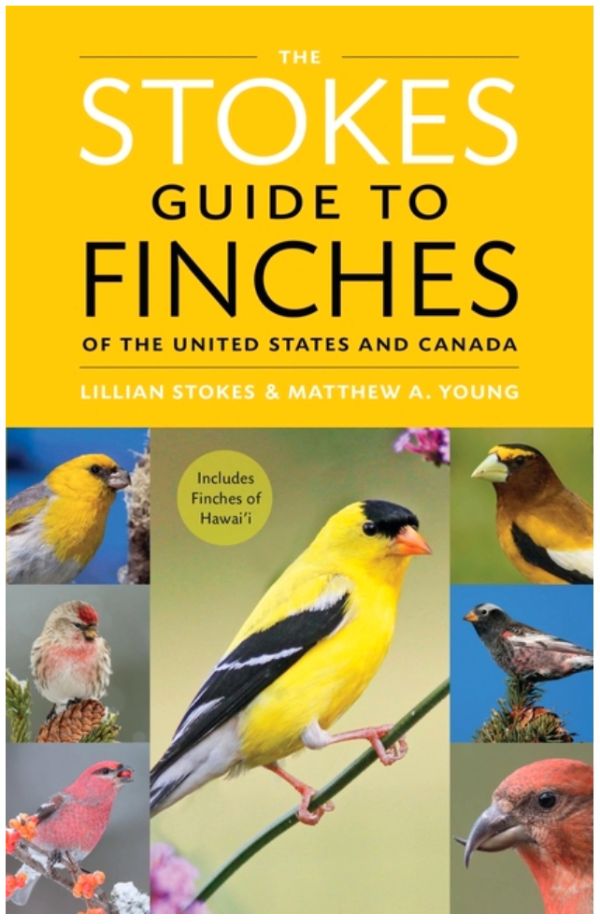
We also want to remind you about a great book that can't be beat about finches: To learn more about all North American finches, species by species, The Stokes Guide to Finches of the United States and Canada is the best, most detailed, and most lavishly illustrated book about our finches. This book is expertly written by Lillian Stokes and Matthew Young, and you can learn more at The Stokes Guide to Finches of the United States and Canada – Buteo Books
Share your backyard birding experiences and photos with The Birding Wire at editorstbw2@gmail.com