
Most birds migrate, some in the most spectacular fashion, and on a special autumn night with a favorable wind there can be more than a billion birds migrating above the United States! Some birds are known to travel tremendous distances: Arctic Terns migrate more than 31,000 miles roundtrip in a single year – from the Arctic to the Antarctic. Bar-tailed Godwits depart nesting areas in Alaska at the end of summer and fly nonstop for 8 days over the Pacific Ocean to New Zealand. And, of course, remarkable numbers of small songbirds and tiny hummingbirds routinely fly 700 miles across the Gulf of Mexico twice each year.
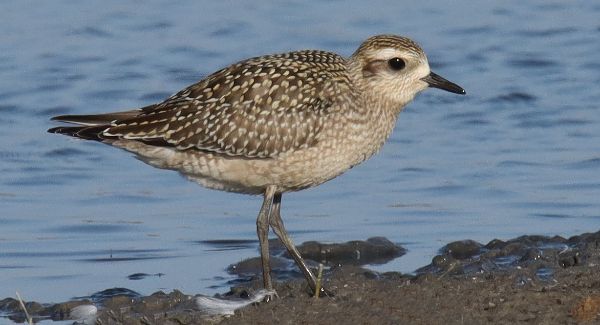
In all, more than 300 bird species that nest north of Mexico are long-distance migrants. Although some birds migrate during daytime – including raptors, waterfowl, cranes, and swallows – most birds migrate at night when atmospheric conditions are calmer and there are fewer predators active. Migration allows birds to take advantage of favorable conditions and abundant foods in different locations at different times of year. Birds typically migrate to take advantage of 3 resources:
Abundant Food: Birds that nest in the Northern Hemisphere tend to migrate northward during spring to take advantage of a few months of plentiful food and prime habitat, including burgeoning insect populations and new plant growth.
Nesting Sites: The vast boreal forests and open tundra and their associated wetlands provide huge expanses of nesting habitats for songbirds, shorebirds, and others to utilize; and when combined with abundant foods it makes the long migrations worthwhile.
Increased Daylight: Near the equator, daytime lasts about 12 hours per day throughout the year. By traveling much closer to the poles, birds get much longer daylight periods that may be close to 24 hours per day during peak the nesting season in the Arctic, which is just what birds need to spend more time collecting food and raising their young daily. The extra daylight also fuels the abundant plant, plankton, and insect booms that create such a plentiful food supply.
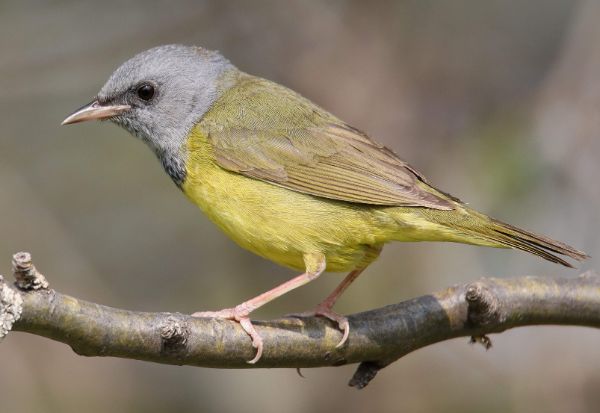
It may be a surprise that weather is not a factor on the above list. Escaping cold temperatures is not itself a major factor that drives birds to migrate, since many species, even hummingbirds, can withstand freezing temperatures as long as an adequate supply of food is available.
Embarking on a migration with just the right timing to match seasonal changes requires the innate ability to sense the time of year, use exceptional navigational senses, and in some cases it actually requires physical changes to a birds' body. As a migration period approaches, some birds shrink some of their organs (i.e. stomach and gizzard) and grow others larger (i.e. heart, lungs, and flight muscles) to be in top long-distance flying condition. They also store energy as fat, to be metabolized during long flights with infrequent or no feeding stops.
Birds also use several cues to know when it's time to begin migrations, including changes in day length, temperature, and food supplies. Migrating birds have innate senses of timing and orientation, and some migrating birds can cover thousands of miles each year, often traveling the same route and sometimes arriving in the same area of habitat year after year. Among some species, juvenile birds that have never migrated before fly south on their own, without any adults to show them the way – just a couple of months after they hatch. Somehow, they can find their species' winter range despite never having seen it before.
Birds achieve such amazing navigational feats due to a combination of powerful senses and by using cues that include the position of the sun in the sky, and the position of the sun at sunset; the rotation of the stars, the Earth's magnetic field, visual landmarks such as ridgelines and river valleys; and some even use their acute sense of smell.
This introduction to answer some of the many questions about bird migration was provided at The Basics of Bird Migration: How, Why, When, and Where | All About Birds, and you can get more information about how birds navigate during migration at Navigation: How Birds Find Their Way When They Migrate | All About Birds. You can also learn more about how some birds shrink some of their organs in advance of long-distance, nonstop migration flights at shrink some of their organs and grow others, all provided by All About Birds, a part of the Cornell Lab of Ornithology.