
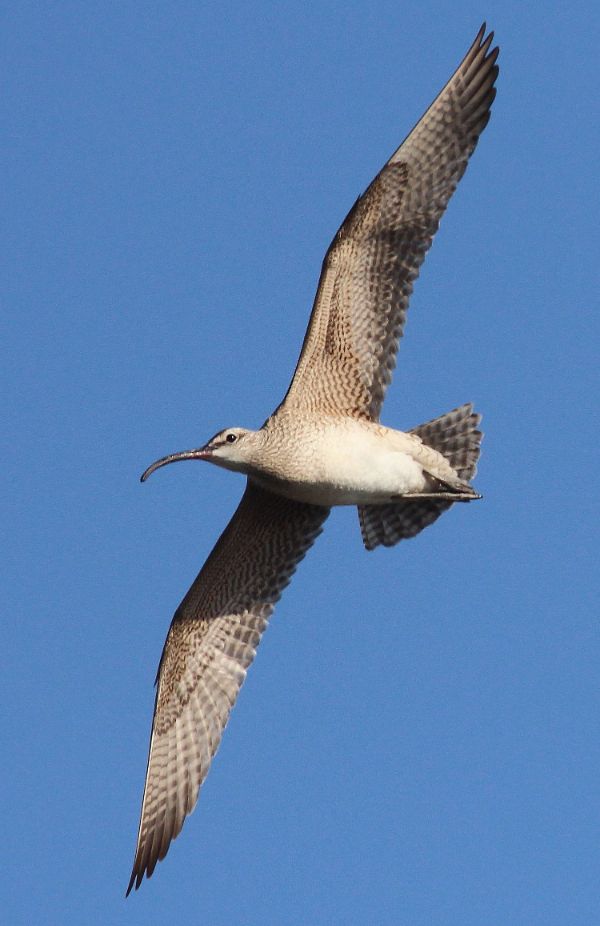
To expand on the information provided daily via radar, BirdCast also provides a number of information sources that describe more insights into the process of monitoring bird migration while increasing our understanding of how birds migrate. The BirdCast Science Center provides a wealth of background information about Bird Migration, as well as Applications of Radar Technology, such as how radar data is turned into information that describes migrating bird numbers, flight directions, flight speeds, and migration altitudes to expand our understanding of migratory bird movements, especially at night.
In North America, most nocturnal bird migration during autumn takes place from mid-August through mid-November, and we know that in the United States at least 80 percent of migratory bird species migrate at night. Also, most birds migrate during the first half of the night – usually 2 to 4 hours after local sunset – although migration flights sometimes continue into early daylight hours.
Peak Migration Periods for each county in the Lower 48 States are provided in the Peak Migration Table. By referring to peak migration periods, it can be helpful to birders when planning travel to visit a particular birding hotspot, in an effort to try to maximize the chances of seeing peak numbers of birds during their trip. It can also help birders to be more aware of when to expect peak numbers and different species that you can see in your home area during the interesting period of peak fall migration.
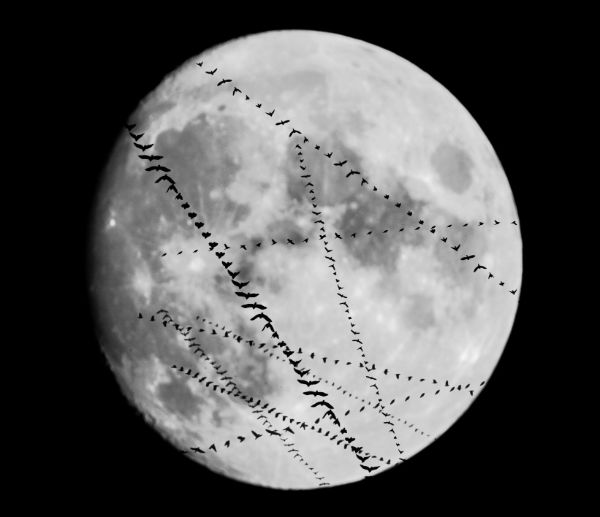
BirdCast information, including the peak migration period in a given area, is also important for the protection and conservation of migrating birds. Bright lights attract and disorient birds that migrate at night, which can cause birds to collide with buildings and other structures. By knowing when the peak bird migration period takes place in a given location, individuals and businesses can take conservation action when city officials and news outlets alert people and businesses about nights when it is important to turn off unnecessary lights as a community effort to reduce bird fatalities due to collisions.
To learn more about the variety of information provided by BirdCast in the new Science Center website, refer to Science Center – BirdCast. BirdCast is produced and provided by The Cornell Lab of Ornithology and associated contributors.