
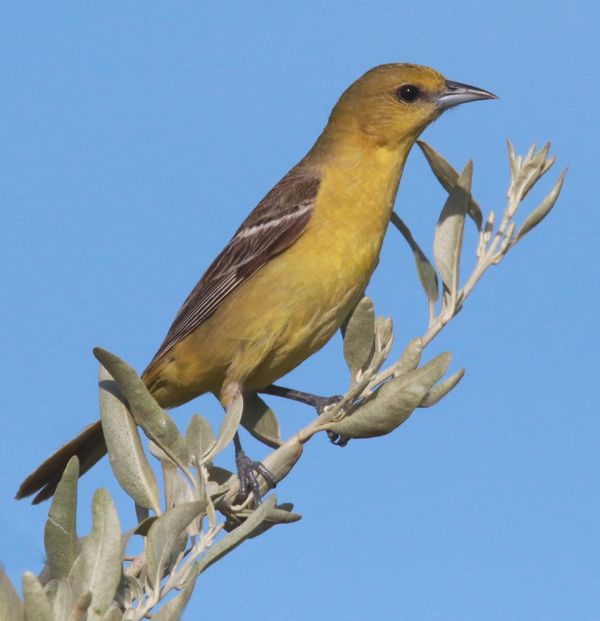
In addition to attracting and benefiting birds in your yard through landscaping, gardening, and providing bird foods and fresh water – how do you appreciate the birds around you and how do the birds benefit you? Number one, birds teach us about birds – species by species – showing insights into their feeding preferences and other behaviors. They also lead us through the seasons as they suddenly reappear during migration stops, or arrive as summer or winter residents. Part of the fun of birding at home is to keep track of the birds you see, the species and numbers, the associated dates, significant behaviors, and plumage changes.
Some would call this record keeping, and that’s exactly what it adds up to. We started with a notepad and pen, graduated to a calendar-based computer file, and now many birders keep their records in their personal eBird account online. Any way you prefer to keep tallies of your personal bird sightings, it’s especially interesting and personally important to keep a running tab of what birds you are seeing, when you no longer see them, what numbers you count or estimate, and the dates involved in your sightings. Why? It makes you a much better birder, and it provides a base of information for you to refer to as seasons change – like now, as birds are finishing their nesting cycle, beginning to spread out beyond their spring territories, and even initiating early migration.
Keeping records of the birds you see can be particularly rewarding, when you can check back to see when the first robins, hummingbirds, orioles, and other birds arrive each spring, and when they leave during summer and fall. Keeping records of the birds they see is what makes some birders tick. Many birders keep a variety of “lists” of the birds they have seen over time, with the object of seeing as many different species in a given area or during a given time period. Listing includes a “Yard List,” along with others like a Life List, State Lists, County Lists, Hotspot Lists, and lists for every nation you visit – as well as Annual Lists (how many different species can you see in a calendar year?).
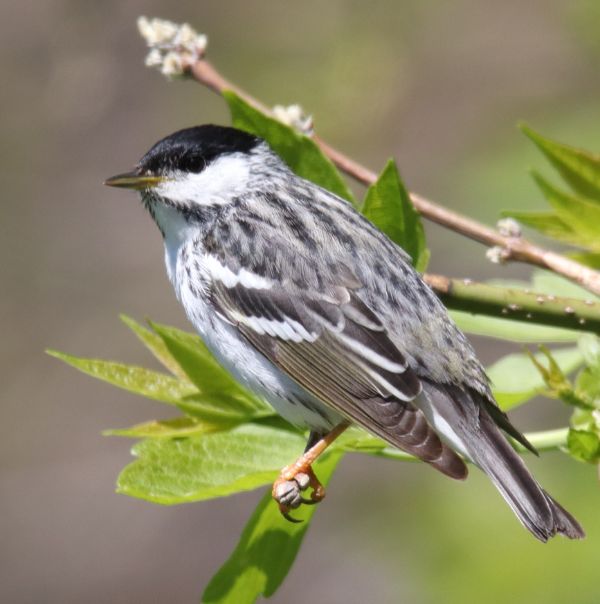
Listing can be an important part of birding, and keeping a Yard List holds a level of importance for you personally, and it enriches your birding experiences at home. Try to provide as much information about the birds you see too, such as whether a given bird is a male, female, fledgling, or immature bird, and even if it is in basic and alternate plumage.
While you may prefer to keep your lists of birds personal, many birders like to share their bird sightings online as a matter of record and perhaps with a tinge of bragging rights involved. The number one place to keep these records is eBird, developed and managed by the Cornell Lab of Ornithology, which keeps a well-organized running tabulation of the birds you see, when and where you observed them and any notes you add to a given eBird report – all at no charge. It’s fun and helpful, and you could say it takes birding to another level, because it adds your sighting information to a vast collection of millions of sightings from around the world that provides an interesting library of data that forms an example of modern “citizen science.” You can learn more about eBird and how you can use it to your advantage, as well as how you can contribute sighting information and photographs to this exciting worldwide project at About eBird - eBird
Of course, it is always fun to take some photographs of birds that visit your yard, feeding station, and birdbaths. Any bird is a good photo subject, and even a short photo session at your feeding station can provide insights into the movements of birds, how sunlight and shadows play into photographs you take, and when the best time of day takes place to photograph at given location. Your yard is a great place to begin taking photographs of birds. Truly, photographing birds can be one of the most rewarding of all birding experiences, and it often begins at home when a special bird arrives at your birdbath or flower garden.
Some birders who like making new lists even have a Photo List for their yard, trying to collect a photo of as many different birds as possible in their yard. Once they have a representative photo of a species, they try to improve on an initial photo of a species to get better quality photos in their collection, as well as photos of males, females, and immature birds, in basic and alternate plumages, at feeders, natural perches, and in other situations – you get the idea. It can also be important to photograph a new bird to help you make the most accurate identification of the species.
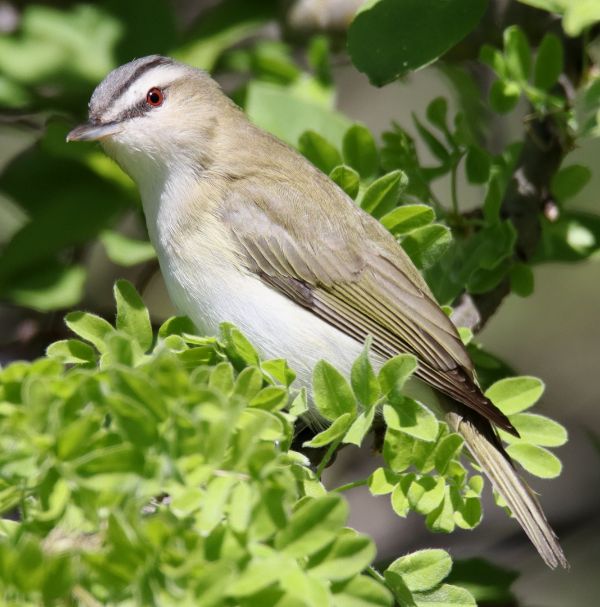
At the same time, any bird that sparks an interest to document it in a photo may actually be a relatively rare bird, and in that case it is important to take documentary photographs of the bird while you can. It may even be a bird far beyond its normal range, or even a bird offcourse from another continent! If you read the regular Rare Birds articles in The Birding Wire, many of those sighting are made in people’s yards and at their feeders; so it's important to document a bird that may not have been seen in your state before, or perhaps it has rarely been seen in your area before – but documenting a rare sighting with a photograph is all-important.
One more way to enjoy birding at home is through books, magazines, and online publications and information sources. Every library starts out with a single book, and for birders that book is usually a field guide. Your collection of publications likely grows as you add books about favorite groups of birds that interest you, or even birds found in far-away places. Informational books about bird migration or bird biology might be next, and so your birding library grows.
Similarly, you can read publications and website information online, or download publications from online sites, and if you want to learn more about the birds you see in your yard, a great place to start is All About Birds, a free source of information about North American birds (see Online bird guide, bird ID help, life history, bird sounds from Cornell | All About Birds). And if you wish to learn more about a given species or birds at a more indepth, science-level – or if you wish to learn about species from beyond the United States and Canada, you can subscribe short-term or long-term to Birds of the World at Birds of the World - Cornell Lab of Ornithology – both websites are produced by the Cornell Lab with many trusted collaborators.
Even within the realm of sightings from your home and in your yard, birding includes many different ways of enjoying birds. Then too, there is a big world beyond home for us all to enjoy birds, and that’s where a greater sense of exploring comes in. Whether it’s a matter of checking out the far corners of a nearby park, a wildlife refuge, nature center, or a favorite place you like to drive to like a river or lake – we all enjoy seeing new birds wherever we go. Enjoy birding at home and beyond these August days, and always!
Share your backyard birding experiences and photos with The Birding Wire at editorstbw2@gmail.com