
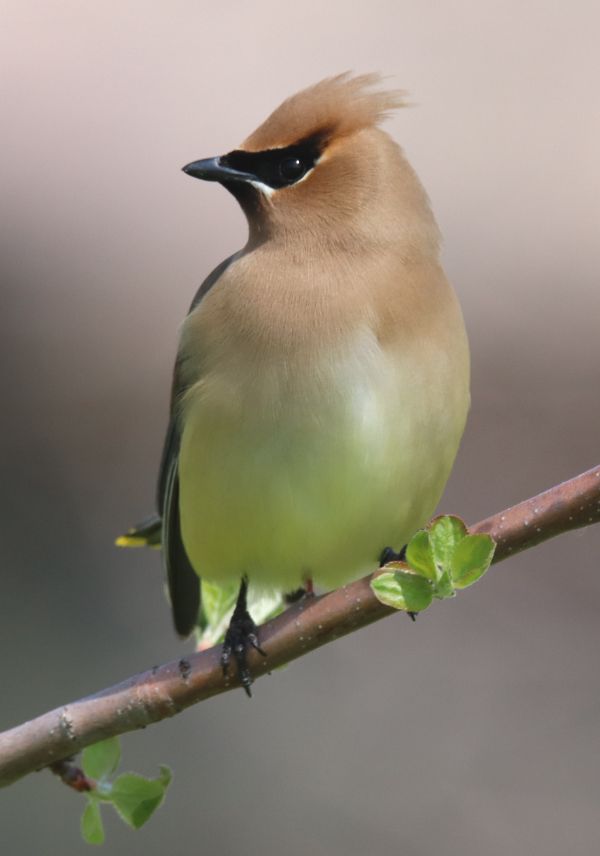
As birders know, more and more people have been attracted to birding, with young people including Millennials and Gen Z-ers driving much of the recent surge in birding. During this decade, about 96 million Americans aged 16 and older identify themselves as birders according to the US Fish and Wildlife Service's latest demographic and economic survey on birding, the most comprehensive study conducted to date. That means that 37 percent of the adult population in the United States – 1 of every 3 Americans – enjoys birding. The momentum is being carried by younger adults who have been discovering birding through online communities and social media.
In addition to the growing interest in birds and birding, the mental health benefits of connecting with birds have been obvious to many of us. Taking time to listen and watch for the activities of birds often provides a break from work, stress, tedium, and even boredom, and recent research projects have provided scientific evidence of the benefits of birding. One study found that seeing or hearing birds improved people's mental well-being, and the positive effect persisted beyond the moment of bird encounters. These effects were not only evident in healthy people, but also in people with depression, the most common mental illness among people worldwide (research reference: Scientific Reports).
Another recent research study published in the Journal of Neuroscience found distinct structural and functional differences in areas of the brain involved in memory, attention, and visual processing. The study suggested that birding and similar activities probably boost overall brain health. The research doesn't prove that birding reduces cognitive decline, but the latest evidence is promising (research reference: Journal of Neuroscience).
There are obvious physical aspects to birding that can lead to improved health too. Getting outdoors, breathing fresh air, and taking a birding walk of any distance can be a great way to exercise your legs and body, especially if you work a little birding into your daily schedule. Mixing up your routes will add variety to your walks, and the birds you see and hear will change with your surroundings and the seasons. Other birding recreation may include riding a bike, kayaking or canoeing, and travel – near and far.
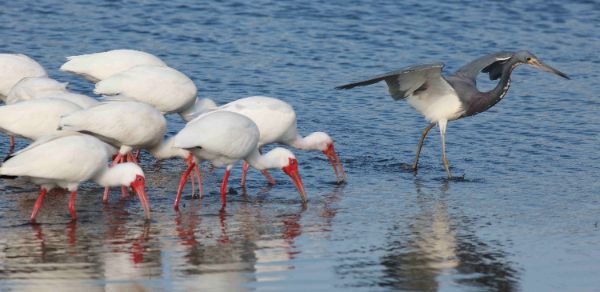
And let's not forget the fun involved in finding and observing birds – some call it fun, some would call it Joy! Birding can be exciting too! And rewarding. Seeing a new bird is always a thrill, and birding is one of the wonderful activities that has no end – your knowledge and information base always continues to grow and improve, through personal experiences, by reading and watching programs, and through interactions with other birders. Sharing our interest in birds and birding with others is certainly an important and enjoyable aspect of birding. The interactions we share with fellow birders, people with a beginning interest in birding, and with family members and friends while birding is a plus for every birder.
The ways birders benefit birds adds even more to the bigger picture encompassed by birding. We join and support conservation groups that work to improve bird habitats, we socialize with birders who share like interests, we support protecting natural areas in and near our communities, and we enhance our own property to make them ever-more bird friendly. Starting with our own yards, or parts of our yards, we provide landscaping to benefit birds, as well as fresh water and seasonal foods at feeding stations – and often promote similar benefits at work and school. And that is also rewarding and fun as we benefit personally through our associations with birds and nature around us throughout the changing seasons. Aren't you glad you are a birder!