
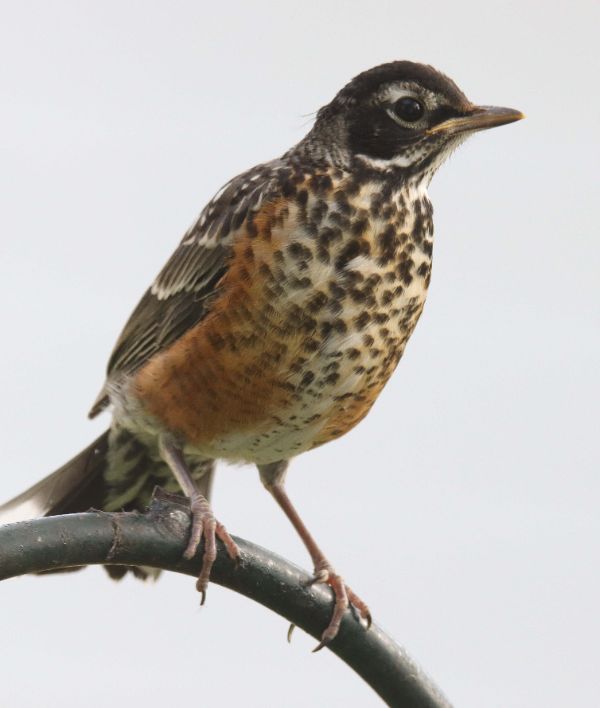
It's an especially exciting time of the season when you see the first fledglings that have left a nest and you have a chance to see the adults feeding them nearby. Depending on where you live, you may already have seen newly fledged robins, bluebirds, chickadees, wrens, or other fledgling songbirds soon after they left their nest. But leaving the nest is not an endpoint – it is a new beginning for young birds to start to fit into the surrounding area while still under the care and protection of one or both adults that provide food and help the young birds begin to forage on their own.
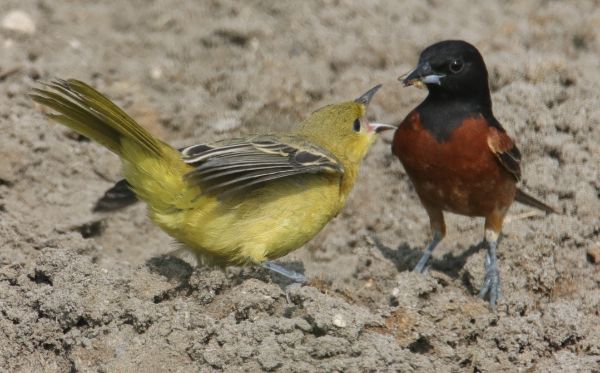
The period after young birds leave the nest is called the post-fledging period, which may last several days or a couple weeks depending on the species. It's a period when young birds will provide some interesting observations for you. There is also no doubt that when young birds leave the nest, they are the most vulnerable, but watch them for a while and you will see that even when a young bird is seemingly left alone, an adult periodically brings food to it and is never too far away with a watchful eye on the area. When necessary, an adult may call loudly or even dive-bomb and chase potentially dangerous animals (maybe even you if you venture too close) to protect a fledgling and give it an added moment to reposition to a safer location.
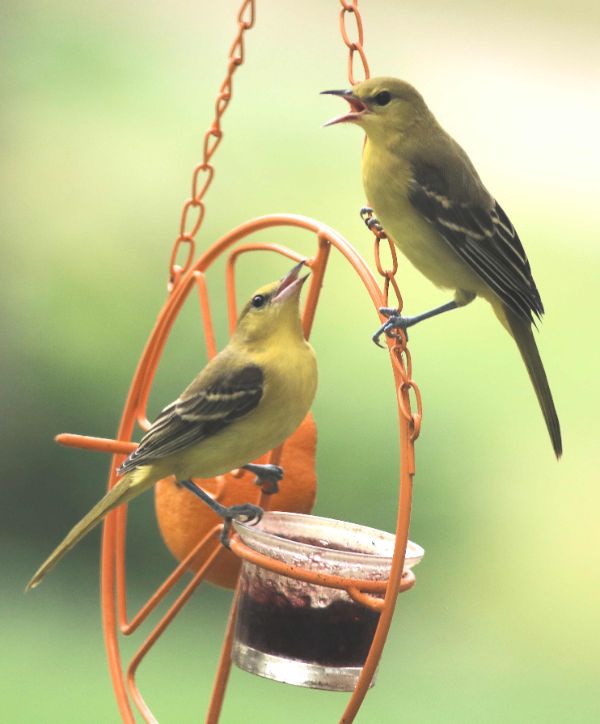
A day or 2 of practice goes a long way into being able to fly from branch to branch, or to take off from the ground. It's a very important time when new fledglings learn to stay alert and often motionless, learn to elevate to higher perches, learn to fly, and learn to find food for themselves by following an adult to search for food; it's all part of the overall nesting process and leads to the independence of young birds.
Eventually, you may be lucky enough to have well-flying fledglings visit your feeding station and water feature, which could include orioles and mockingbirds, or even woodpeckers. It's great fun to see the young birds in your yard and to observe interactions between fledglings and adults. When the fledglings can fend for themselves, some pairs of songbirds like robins, wrens, and bluebirds may nest a second time, and the process is repeated with another brood fledging 4 to 6 weeks later.
The Hatchlings: Not all birds stay in a nest after hatching. Precocial hatchlings leave the nest within hours after hatching out of their egg; they develop beyond the nest, still under the care of one or both adults within the brood that hatched within a couple hours of one another. Examples include young Killdeer and other shorebirds, along with ducklings, goslings, and young pheasants and grouse.
While these birds tend to live in rural areas where people are less apt to see them or interact with them, it's important to know that precocial hatchlings are active beyond a nest while they grow, attain feathers, and eventually learn to fly. If you encounter a young precocial bird, enjoy watching it too, and perhaps learn more about some of these birds during one of your reading sessions or during an internet visit to All About Birds.
Enjoy observing the young birds that pass through your yard, and have faith to let nature take its course. It's important to recognize that these young birds don't need human "help," and encourage others, including children, not to disturb young birds that appear in our yards, neighborhoods, local parks, and rural areas – let nature persevere. One thing you can do though, is keep cats in the house, and gently encourage others to do the same.
We all learn more about birds through our observations, and the chance to see a variety of birds interact with, protect, feed, and teach their fledglings and hatchlings through the early summer months is one of the reasons we attract birds to our yards through our landscaping and gardening efforts, and our feeding and watering regimens. Enjoy the season and the birds you encounter!
Share your backyard birding experiences and photos with The Birding Wire at editorstbw2@gmail.com