
Rooftop Nesting Birds in Florida
In areas of Florida, some terns, skimmers, and oystercatchers that usually nest on undisturbed open areas of a beach are becoming more crowded, which leaves less space for these birds and others to nest on the ground. As a result, some resilient species are nesting on gravel-covered rooftops where they lay eggs, incubate, and raise hatchlings. The rooftop nesting season takes place in Florida between April and September each year, and right now there are many pairs in the midst of their nesting and rearing period, including Black Skimmers, Least Terns, Roseate Terns, and American Oystercatchers.
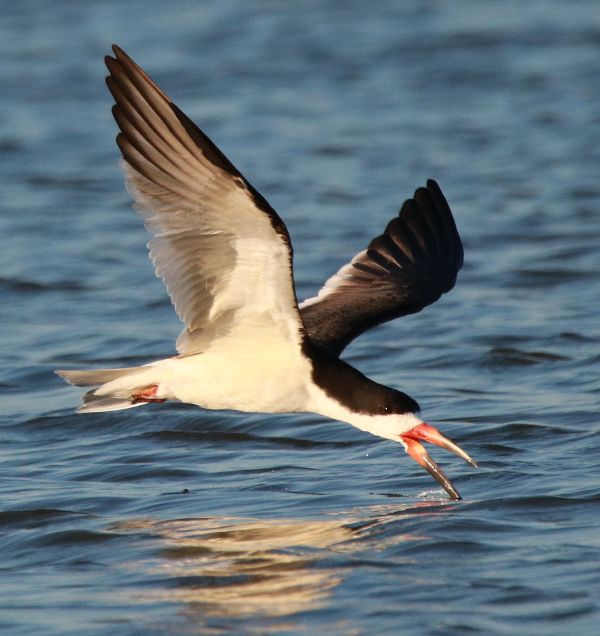
During this period, the Florida Fish and Wildlife Conservation Commission (FWC) is thanking building owners and managers who are hosting nesting terns, skimmers, and oystercatchers on their flat rooftops this season. Rooftops provide important alternative nesting habitat for these birds, and as an example of just how important rooftops are as alternate nesting sites, consider that about 50 percent of the Least Tern population that nests in Florida utilizes building rooftops for nesting. Most rooftop nesting takes place between April and September, but pairs of American Oystercatchers may begin nesting as early as February in some regions of the state.
Building owners and managers are key to the success of birds nesting on rooftops, including some rare and imperiled species. If you own or manage a building where these birds are nesting on the roof, you can help nesting success by ensuring the nesting birds have undisturbed space and you can coordinate with a FWC Regional Shorebird Biologist to learn more. To find a regional shore birds biologist near you, see MyFWC.com/Shorebirds and click on "Shorebird Nest Dates and Contacts."
Everyone Can Help: When you visit a beach, you can help during the nesting season by keeping at least 300 feet away from nesting birds, by walking around flocks of birds, and by staying away from posted areas.
– Getting too close to nesting birds on the beach can cause them to flush, leaving vulnerable eggs or hatchlings exposed to the elements and predators.
– Keep pets at home when you go to the beach. Even well-behaved dogs can frighten birds. If you bring a dog with you, go to a beach where dogs are allowed, and follow leash laws.
– Look for Critical Wildlife Area closures: Be on the lookout for signs that designate Critical Wildlife Areas on the beach or coastal islands – these areas are closed to public access to protect nesting birds and their young during the nesting season.
– Boaters and beachgoers can help nesting birds by keeping their distance and reducing noise volumes near Critical Wildlife Areas.
Of course, these guidelines can be considered any time you visit a beach, sandbar, or island during the nesting season. Enjoy the beach, and enjoy the birds you see, but help protect nesting birds too.