
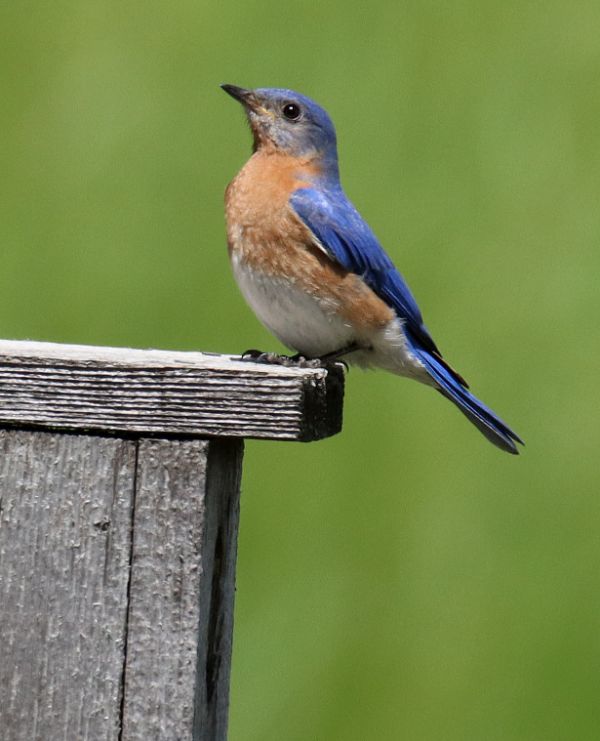
With spring in the air, it's time to make a nest box plan and prepare to put it into action – soon. If you already have nest boxes in your yard or another area, if you haven't already prepared them for the coming season, watch the weather for a nice day when you can do a clean and maintenance update that will welcome cavity nesting birds to use them as the nesting season approaches. It's also time to select and install a new nest box if you choose, which is pretty easy for smaller cavity nesting birds, like bluebirds, wrens, chickadees, nuthatches, and others; for larger birds like cavity nesting owls, kestrels, and ducks, it may take some extra effort.
We can't emphasize enough how important it is for birders to help provide appropriate nest boxes for birds, because natural cavities are in especially short supply, as are woodpecker-created cavities. Providing birdhouses (nest boxes) is a true conservation-oriented activity for birders everywhere. But it's important to inform yourself and those around you that there is a science involved, and a commitment to make in advance.
Generally, a great starting point to building or buying an appropriate birdhouse for the birds you wish to attract and benefit is to refer to the best information source – the Cornell Lab's NestWatch website at Features of a Good Birdhouse - NestWatch
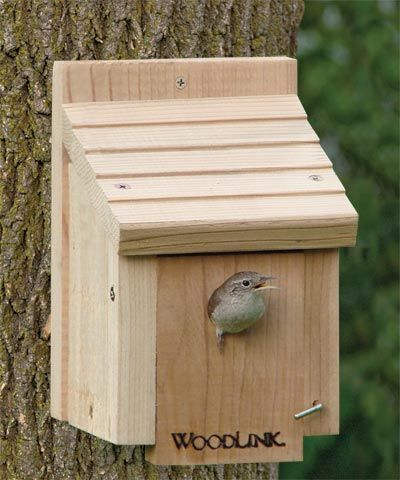
First, it's important to review the importance of providing the right nest box for the right birds. There is an especially helpful information resource available where you can find out all the important aspects that will help anyone interested in providing birdhouses for any native cavity nesting species at All About Birdhouses - NestWatch
If you are interested in attracting a certain species of cavity nesting bird that nests in your geographic area, you will also be interested in the specific nest box plans for different birds at Right Bird, Right House - NestWatch. This valuable website will also reveal that habitat is an important consideration – for example, wrens prefer brushy areas nearby while bluebirds prefer open spaces. Different species also prefer different nesting elevations, so that's another thing to consider.
All nest boxes also need predator proofing, either a cone-shaped metal baffle or a long piece of stove pipe metal that will stop raccoons, squirrels, snakes, and other potential predators from reaching any birdhouse. (Do not let your nest box become a snack box for predators!) For more information, refer to Dealing with Predators - NestWatch
Just as important, be aware of non-native competitors: House Sparrows and European Starlings. These 2 species compete with native birds for cavity nesting sites, and often displace native birds we want to benefit and attract to our property. It's important not to permit individuals of these 2 species to use any of your birdhouses. To learn more, you can refer to Managing House Sparrows and European Starlings - NestWatch
That said, we certainly don't want to deter you from the many joys associated with providing nest boxes for native cavity nesting birds. Nesting season is a period we all look forward to and we enjoy this especially rewarding part of backyard birding. But as with any activity it's not as easy as it may seem on the surface, so be informed, and when you do a little homework, you will find your nest box season will be all the more enjoyable and successful – and thanks for your contribution to bird conservation by providing birdhouses for cavity nesting birds!
Share your backyard birding experiences and photographs with The Birding Wire at editorstbw2@gmail.com