
Restorative Birding is a new approach that cultivates a sense of belonging and curiosity to inspire conservation action. It emphasizes noticing bird behavior, the habitat used, and the roles birds play to link those observations back to our lives and surroundings. Continuing from bird identification to observation and interpretation welcomes newcomers, improves accessibility, and opens the door for people of all ages to become more interested in birds and conservation.
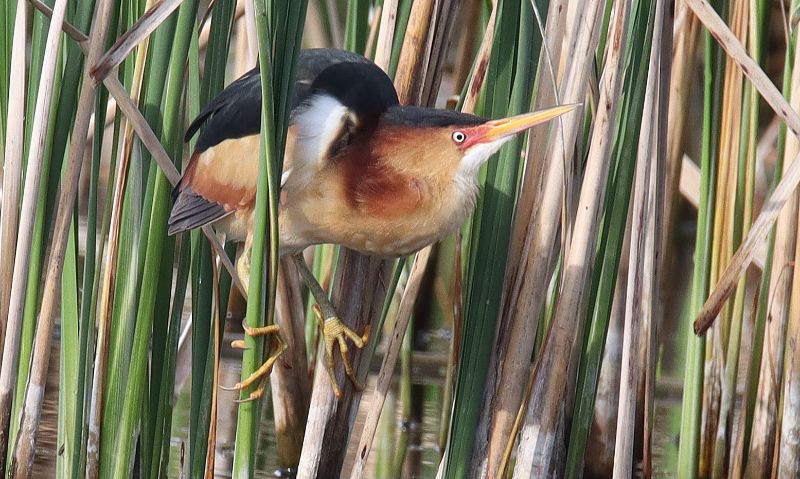
Place-based experiences are the foundation of Restorative Birding outings – public hikes at preserves highlight seasonal rhythms from fall migration to spring nesting and invite participants to slow down and take in their surroundings – the environment. As an example, the Northwest Arkansas Land Trust (NWALT) recently developed a Restorative Birding program, an approach that cultivates a sense of belonging and curiosity to inspire conservation interest and action.
A series of field trips brought rural middle school students to one of NWALT's preserves, offering many of the children their only field trip of the year and their first chance to use binoculars. Activities combined fun with learning, including guided observations, scavenger hunts, and introductions to bird calls and bird behavior, which helped students see how their curiosity connects to broader biology and conservation efforts.
In northwest Arkansas, birds offer a powerful, hopeful entry point to learn about conservation. In a rapidly developing area of the region, birds help to draw people outside and help to teach children about the natural world. Birds can also bring people together and inspire mindfulness. Watching a mixed-species flock of birds forage can spark insights about cooperation, resource sharing, and community that make ideas about conservation feel relevant to everyday life.
During Restorative Birding events, participants learn about using birding apps like Merlin and eBird by framing the experience as a real-world version of collecting – like a nature-based version of Pokemon. This shows students how the birding apps turn inquiries and observations into contributions, while helping students recognize themselves as part of a team that builds scientific knowledge.
Restorative Birding meets people where they are, and leaders keep language simple and try to avoid technical terms. It focuses on relationships between birds and plants, predators and prey, the flock and landscape; then draw parallels to human communities. Observing a flock's communications or how different species share a habitat becomes a metaphor for how neighborhoods pool resources and work together.
That approach has been especially powerful with students. Rural kids arrive with lived experience that include stories from farms, woods, and creeks that enrich the conversation, and when their observations are welcomed and valued by adults, they feel accepted. The message becomes clear: Where you live is important, and what you notice matters. For many, using binoculars for the first time flips a switch from "nature is out there" to "I am part of this."
Adults respond similarly. Public hikes often begin with quiet noticing: What are the birds doing? Why are they here? Why now? And they build to hands-on participation using Merlin to help identify bird species by sight and sound, using field guides to support bird identification, and using eBird to record their observations. People leave knowing the name of a species, but also understanding why that bird needs a certain habitat and how participants' choices – from choosing native plants to plant in their yard to becoming a volunteer – can make a difference. Next time you are outside, slow down and take time to look and listen for birds. Similarly, we all can use Merlin Bird ID to complement mindful birding; then submit an eBird checklist to create a connection between your observations and broader conservation efforts.
To learn more about Restorative Birding and the Northwest Arkansas Land Trust, along with the Cornell Lab's Land Trust Bird Conservation Initiative, you can refer to eBird in Action: Supporting Restorative Birding Experiences - eBird