
We usually think of bird photography in the moment, with a bird in sight, or as we search for the next photo opportunity. But a recent interaction with a pair of Ferruginous Hawks that appear to be in the early stages of the nesting season made me contemplate my many interactions with Ferruginous Hawks, during the nesting season, during winter, even during migration. In fact, I already have the key photographs so I could illustrate a species profile or life history description of this regal Plains and Western raptor species. In the long run, that is something to think about and work toward as a personal project as we enter a new nesting season – whether it is for American Robins or Northern Cardinals, or Great Blue Herons or Red-tailed Hawks.
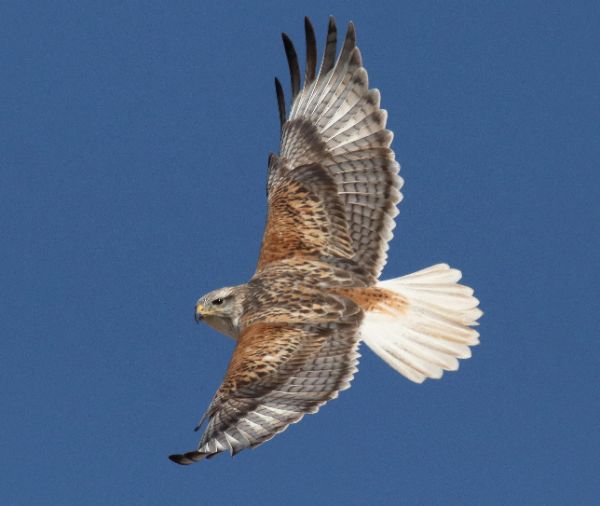
It's no easy undertaking, and it may take a season, or a number of years of dedication, but it may be one of the most interesting and involved bird photo projects you undertake. For me, it’s come mostly through years of dedication to bird photography as my favorite form of birding. I could do create a collection of life history illustrations for a number of species, but this week I was really inspired with the idea after finding a pair of Ferruginous Hawks in early nesting mode Thursday south of my office – one of the first species I studied professionally, one that I enjoy seeing anywhere much less in my home territory, and one that not many people get to experience, much less photograph over time.
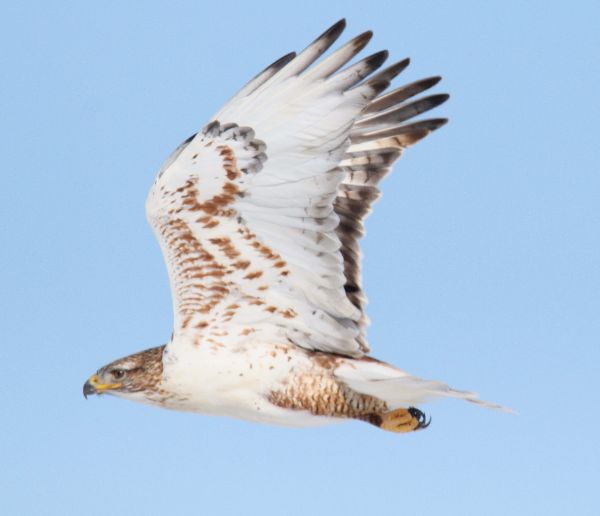
For a number of years a pair of Ferruginous Hawks nested short of 11 miles south of my office in an old willow tree, providing many interesting observations and a number of fine photographic ops. Other photographs were taken at 2 recent nest sites located 10 and 15 miles to the west-northwest. And now the chance to monitor a new nest site south of home has me buzzing with excitement at the potential. This would be a new nest site for Ferruginous Hawks, although the nest was used a few years ago by a pair of Swainson’s Hawks. It is a more substantial, well-built nest than Swainson’s Hawks usually build, and last year I found a pair of Ferruginous Hawks checking the nest out and likely surveying the surrounding area for prey, but I only saw them in that area that one time. They were not present the same evening, or following days or weeks to my dismay.
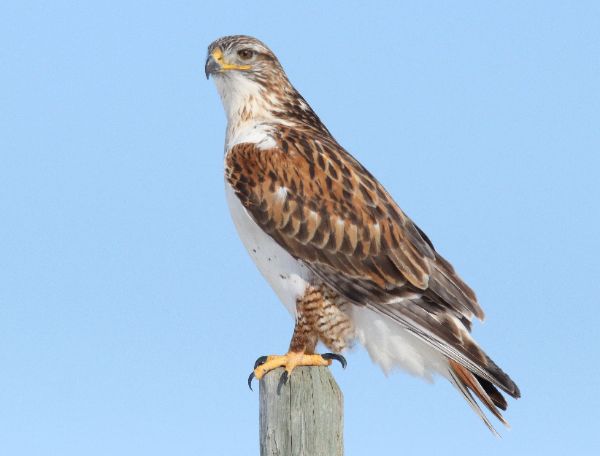
I did get a photograph of the male that morning (April 8, 2025) as I was on my way to check out hundreds of Bald Eagles concentrated an hour east in the Hecla, South Dakota area. The female was standing on top of the nest as I drove by, so I pulled into a turnout and watched the area from a distance. Moments later, the male flew in and perched in an adjacent tree, but eventually flew to the ground across the road where the sunlight was primo. I waited a bit, planned my approach, and drove to a side road with the hope of photographing the impressive hawk perched on the small hill west of the nest site.
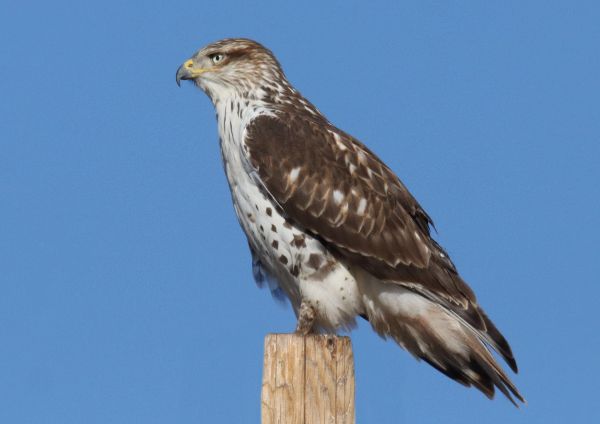
After taking a few photos, the male Ferrug flew west a short distance into a strong west wind, directly in front of my windshield. To try for a clear photo, I stepped out of my car and tried to focus on the hawk with a couple seconds of apprehension until I found the hawk in my zoom lens and focused on it just as the grand raptor began to bank into the wind, raising a wing vertically in the process and providing one of my favorite series of flight photographs ever as it completed its turn and zipped overhead in the brisk wind – Wowza!
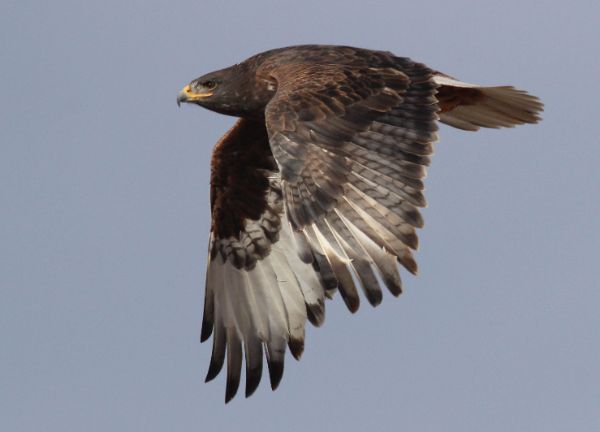
That was the great news! But the bad news was that was the last I saw of the pair of Ferruginous Hawks. When I passed by after my eagle outing, the hawks were not on hand, nor did I see them again. Perhaps they didn’t find adequate prey in the area to sustain raising young over the following months; or the pair may just have had unquenched wanderlust that pressed them to continue north in search of the best nesting site they could find. But that’s not the end of last year's story at that nest site.
Although no other hawks used the site last spring or summer, after the Ferruginous nesting season, on July 19th, I observed an adult Ferruginous Hawk perched in a tree adjacent to the nest. I took a couple photos from a distance and waited, and eventually, when the big hawk took flight, it flew east and banked into the afternoon sunlight, permitting me to take a mirror image photo of the male I photographed last April. Was this hawk one of the pair I observed then? Or was it one of the pair that I first observed at the nest last Thursday, or neither?
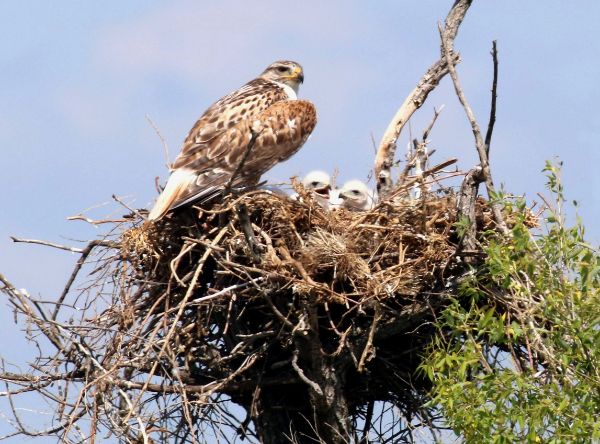
Ever since those 2 episodes at the nest site, I have been hoping that a Ferruginous Hawk pair would return this spring – even though I was keenly aware that it was probably unlikely. So you can only imagine my elation as I was approaching the nest on a birding drive Thursday afternoon, only to be “greeted” by an approaching male Ferruginous Hawk as it steered its flight directly toward the nest! What!?! The first thing I did was check its feet to see if it was carrying a branch – to add to the existing nest. There was no branch, but the hawk landed on the nest as I passed by and continued down the road to a lookout position.
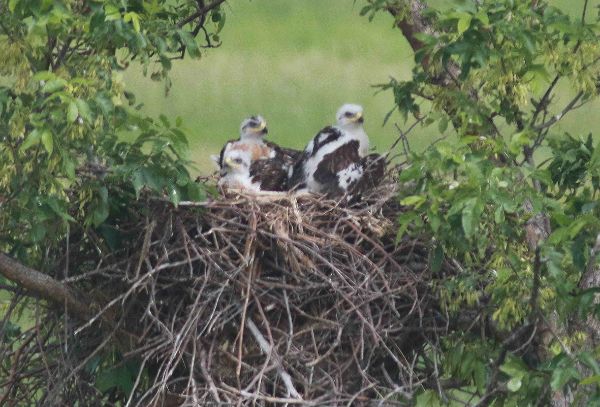
I describe the rest of my initial observations in the beginning of the Editor Afield article in this issue, so rather than repeat that segment of the story, I’ll jump to the point when the female appears and eventually brings a branch to the nest – nest building! So I’ve checked on the nest each day since then, and in spite of pretty terrible weather events, the pair continues to cycle toward egg laying and incubation, so I’m hoping for the best for this nesting season. Ferruginous Hawks are impressive birds, among the largest of the hawks, and they have held my attention since college when I first encountered them, and thereafter.
Ferruginous Hawks are the largest North American hawks, and they also have the largest clutch size – up to 6 eggs, and I have witnessed at least 2 full broods of 6 fledge from Ferrug nests. The incubation period is listed as 32 to 33 days, and the nestling period continues for about 45 days, when they leave the nest. Fledglings tend to remain within a half-mile or so of the nest for 3 to 4 weeks during the post-fledging period when they learn to fly and hunt, but are still fed and protected by the adults.
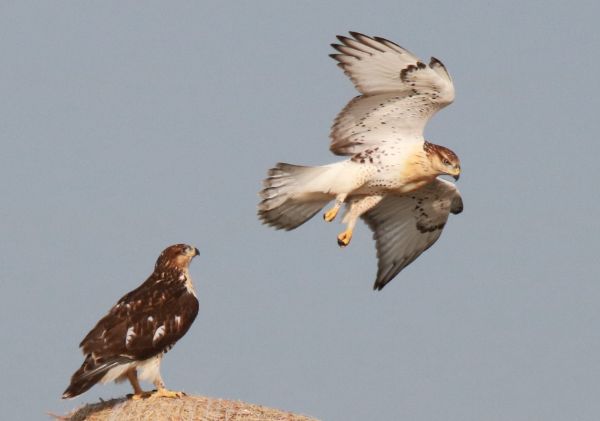
Ferruginous Hawks nest in the widest variety of nest sites of any raptor, including trees, large bushes, cliffs, natural rock outcrops, on the steep slope of a prairie hillside, on large piles of rocks, haystacks, on T-shaped wooden powerline poles, in extra-large metal powerline towers, and I documented a pair that nested on a tall gravel mound left in an abandoned gravel “mine.” Their name comes from the word “ferruginous,” which is a shade of orange coloration, referring to the color of the feathers on the legs these hawks, although they also have some orange plumage on their wings, back, and to varying degrees on their belly. Their scientific name is quite apt – Buteo regalis – which is Latin for “regal large hawk,” and these hawks are regal indeed.
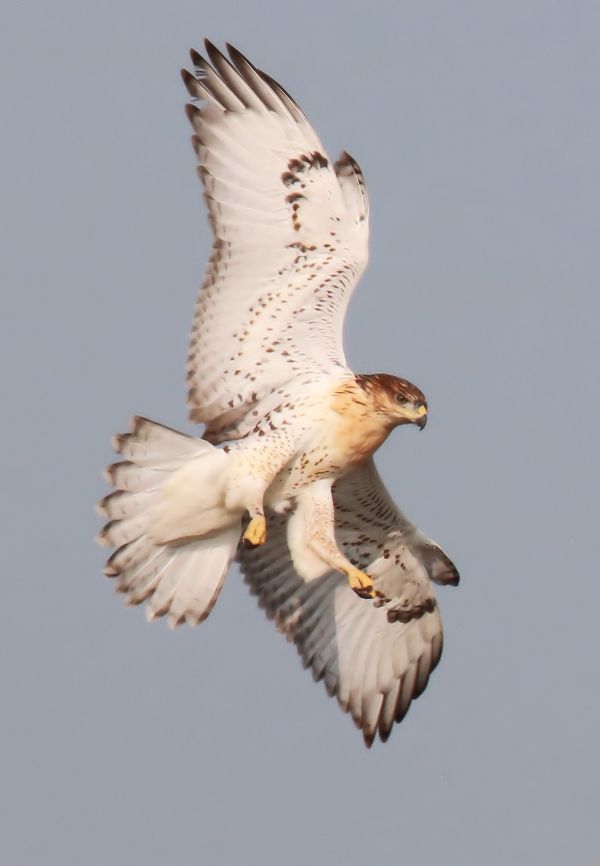
That said, I have followed the nesting season with my camera, photographed downy young in nests with an adult from a safe distance, as well as fledglings interacting just after leaving the nest when they are learning to fly and hunt for themselves. I have also documented Ferruginous Hawks during post-nesting periods and migration, and while they winter in several western states from South Dakota to California. I have also taken a few photographs of dark morph Ferruginous Hawks that show a brown-black plumage coloration with hints of ferruginous on the chest and back. I hope you have had some interesting observations of the “regal species of hawk,” and encourage you to seek out a memorable sighting and a possible photo opportunity of a Ferrug this year, even if it means a cross-country birding trip – I assure you that you will be impressed – and you will find an interesting variety of birds in any area inhabited by a Ferruginous Hawk.
As always, I want to point out that I always keep the birds well-being in mind when photographing them, especially near a nest site or when fledglings are involved. “The birds always come first,” and I am always monitoring the behavior of the birds to ensure they are not stressed or impacted. I also use a 600mm zoom lens or 400mm telephoto lens so I can keep a safe distance from birds, and I make it a point to be especially careful when photographing at a nest site. As a case in point, while working as a field biologist I visited hundreds of Ferruginous Hawk nests as part of research studies, and I studied a wealth of nesting birds and non-nesting birds, so have a strong working knowledge of how to keep from impacting them.
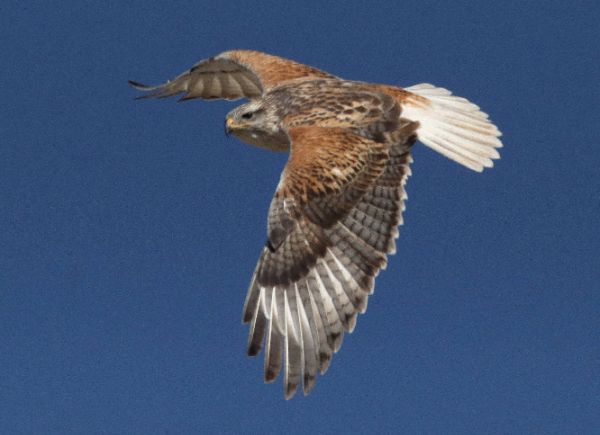
In this article I share a variety of photographs to illustrate a “species profile” of the Ferruginous Hawk, which I encourage you to consider doing with a species you prefer or have a considerable amount of access to photograph. You may already have representative photographs of some birds in your files, but perhaps you haven’t been introduced to the idea of putting together a series of photos that illustrate the life activities of a species. You can also work toward creating a collection of species identification photos that shows adult, immature, and seasonal plumages, along with any color morphs. Give it a try, fill in the blanks if you need to with future photo efforts, and by all means enjoy the process as we progress through another season of bird biology.
Article and Photographs by Paul Konrad
Share your bird photos and birding experiences at editorstbw2@gmail.com